The Thousand Year Capital
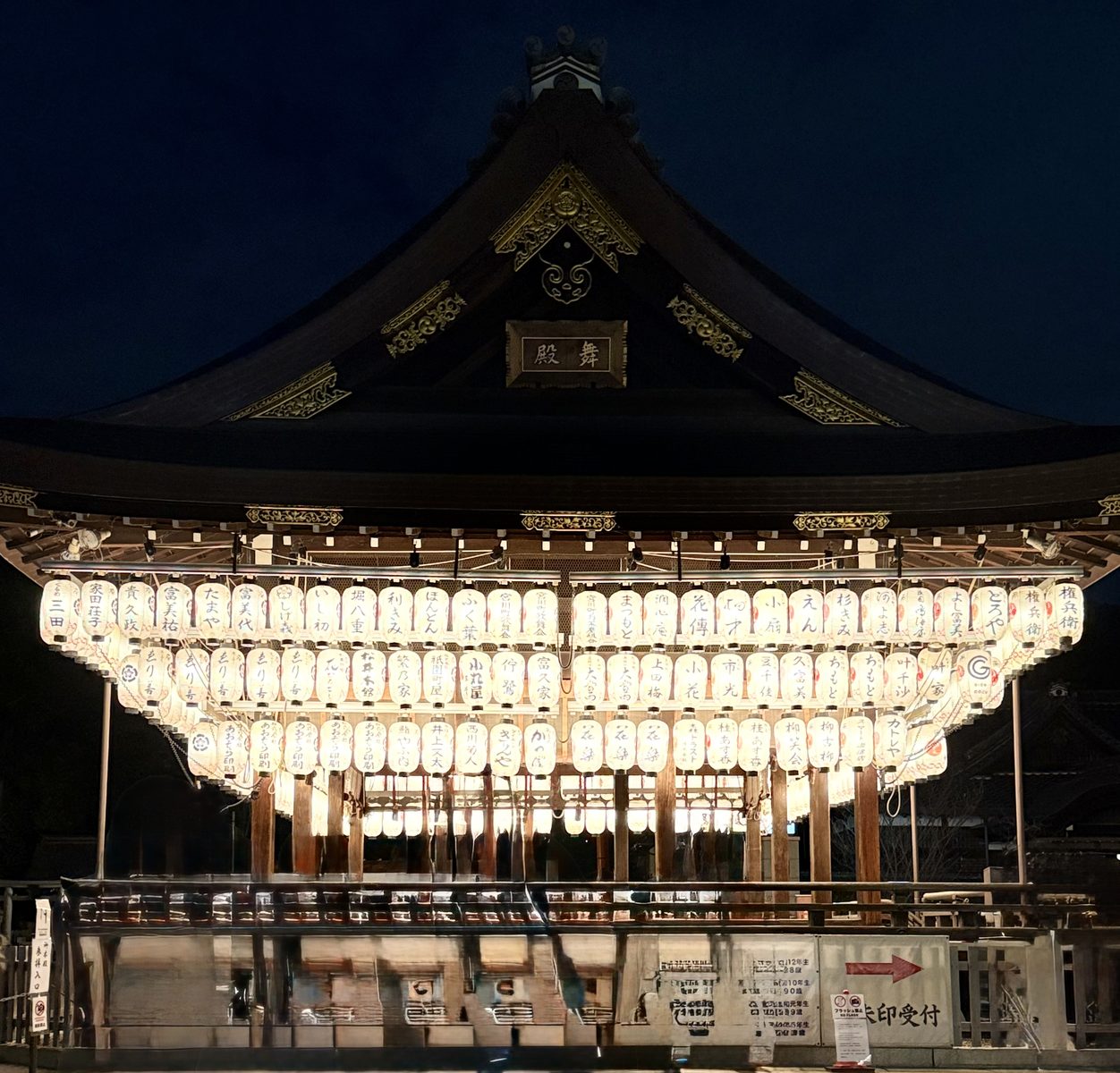
Kyoto, the imperial capital of Japan for over 1,000 years. It was known as Heian-kyo, meaning “Capital of Peace and Tranquility” and later simply as Kyoto OR “Capital City”. Finally, it is also known as the “spiritual home of the Japanese”.
None of these names are wrong and no matter how much I write to try to tell you about it, you will need to feel it to believe it.
Kyoto was founded in 794 AD as Japan’s imperial capital and remained so for over a thousand years. It became the center of Japanese culture, religion, and the arts. Though the capital moved to Tokyo in 1868, Kyoto remains Japan’s spiritual and cultural heart, famous for its well-preserved temples, shrines, and traditions.
We spent 4 days here and walked probably 20,000 steps a day and IT was all the worth it.
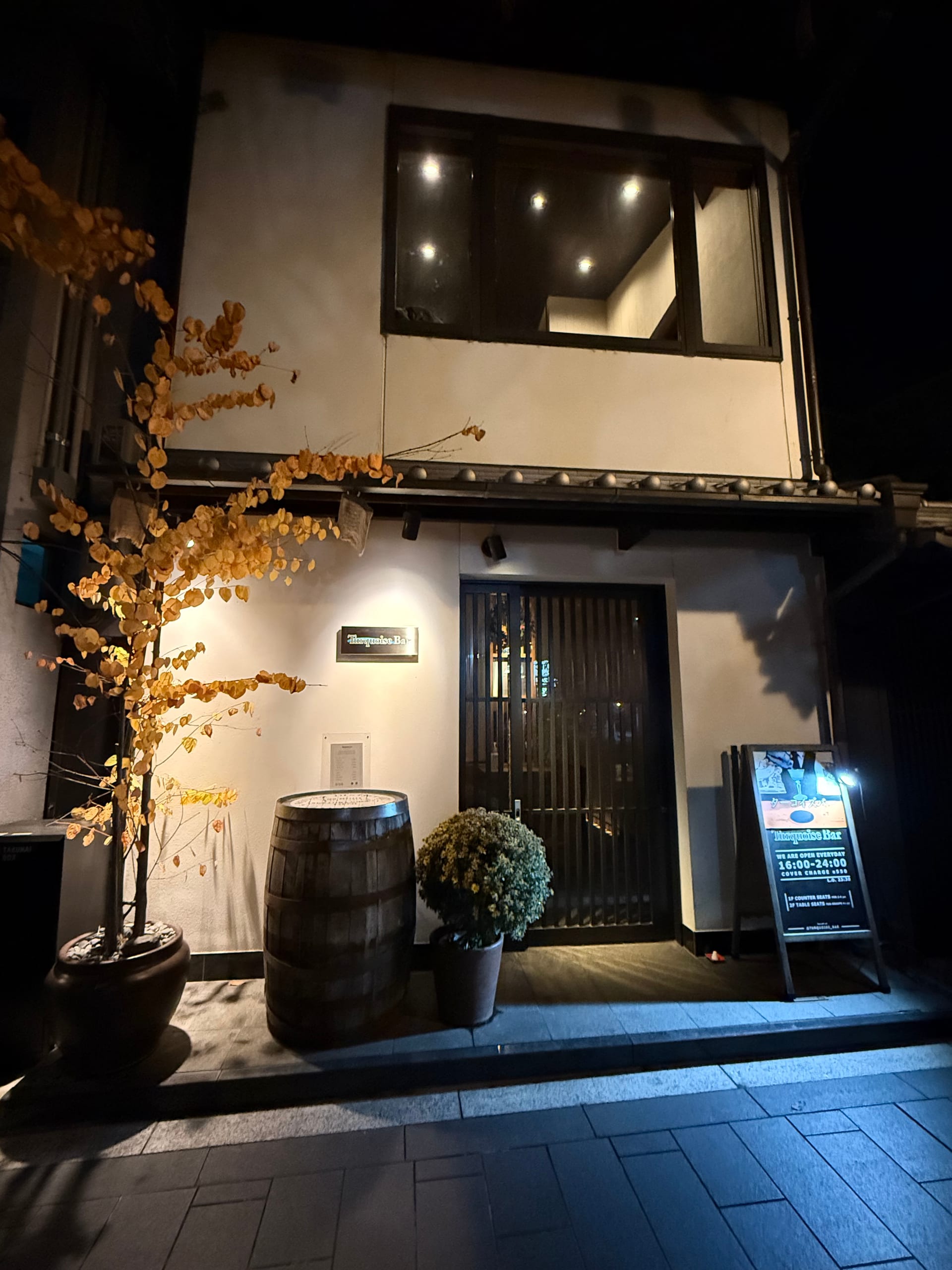
Our overall itinerary was:
Day 1 - Arrival, Philosopher’s Lane, Gion District, Hokan Ji, Yasaka Shrine,
Day 2 - Fushimi Inari, Arashiyama Bamboo Grove, Nishiki Market Izakaya Experience
Day 3 - Osaka
Day 4 - Hiroshima
How our days went - Day 1
We wanted to cover all our long-distance travel using the bullet train right at the start, so as soon as we landed in Tokyo, we headed straight to Kyoto from the airport. We took the Shinkansen, their bullet train and had a very comfortable ride. Note, these are not very frequent so each train every 2-3 hours or so. We missed the window for 12noon Train so took the 3pm Train instead.
We reached in about 3hours, by the time we settled in our hotel and took a short nap, it was already 6pm. We walked towards the philosopher’s lane and found the cutest coffee shop for some late evening Coffee and then strolled towards Gion district.
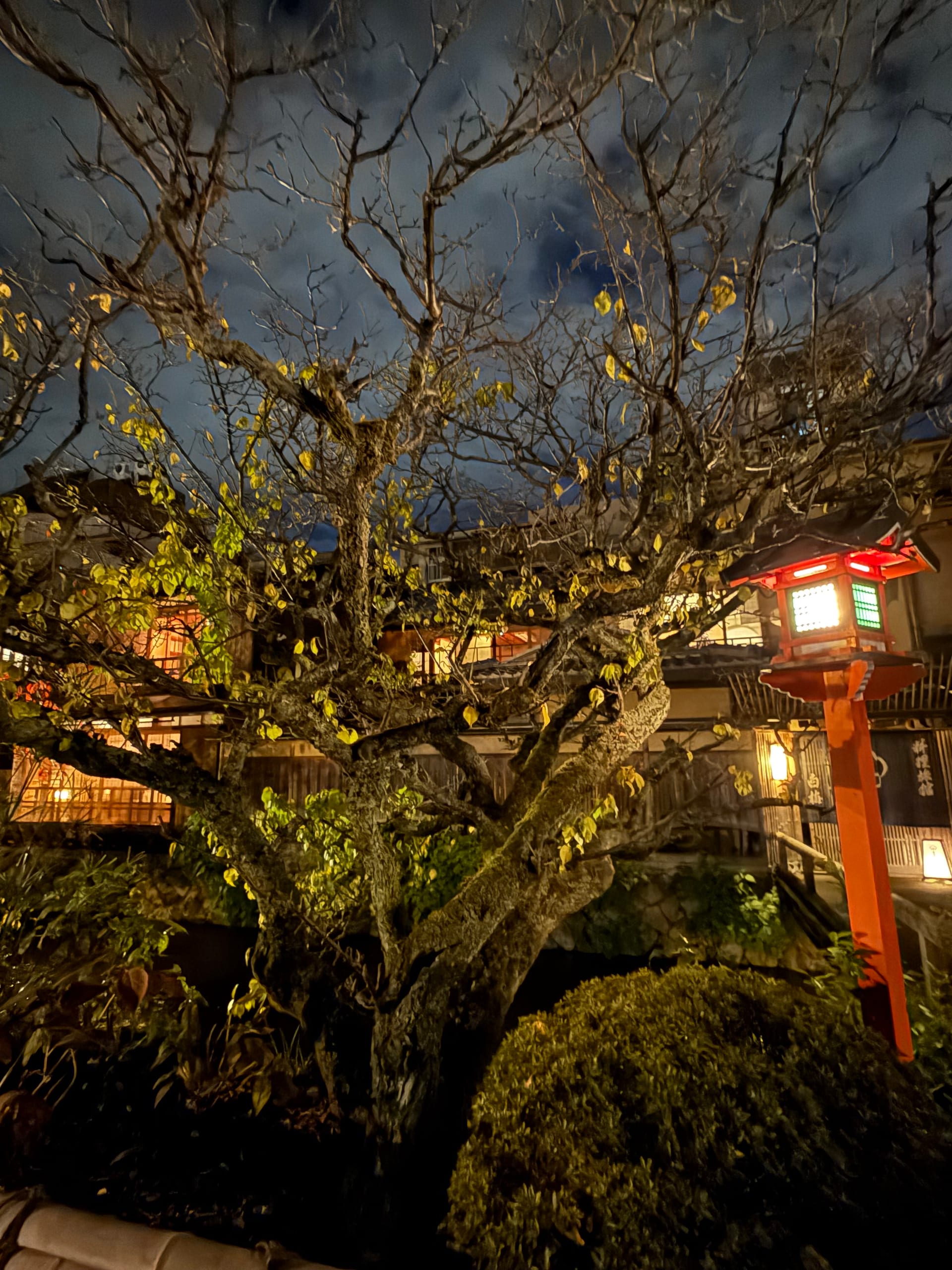
Wandering through Gion, Kyoto’s most famous geisha district, it felt like stepping into a living postcard. With its narrow cobblestone streets, traditional wooden machiya houses, and softly glowing lanterns, it offers a magical glimpse into old Japan. You can spend your time here sipping matcha in centuries-old tea houses, watching maiko (apprentice geisha) and Geisha, gracefully make their way to appointments, or catching a cultural performance at Gion Corner. Don’t miss a walk down Hanamikoji Street at dusk—when the crowds thin and the lanterns light up, the charm of Gion truly comes alive.
Important to Note - You should not photograph Geisha without their permission, there are alleys in this area where Photographs are not allowed. Many Tourists troubled Geisha for photos and the government banned photography here. If you are caught the fines are in thousands of dollars. So please be respectful of their culture.
After our stroll from Gion, we walked towards Yasaka Shrine. I would highly recommend covering Yasaka Shrine in evening, all the lit lanterns are absolutely breathtaking in evening. It is located at the edge of the Gion district and is very enchanting in the evening. As the sun sets, the shrine’s lanterns glow softly, casting a warm light over the vibrant red pavilions and creating a serene, almost mystical atmosphere. Locals and visitors stroll through in quiet reverence, and the sound of bells and rustling leaves adds to the peaceful charm. It’s a perfect spot to pause, reflect, and soak in the timeless beauty of Kyoto after a day of exploring.
After all the walking, we stumbled upon a cozy little spot for a late dinner, paired it with a glass of wine, and wrapped up what felt like a wonderfully productive evening.
Day 2
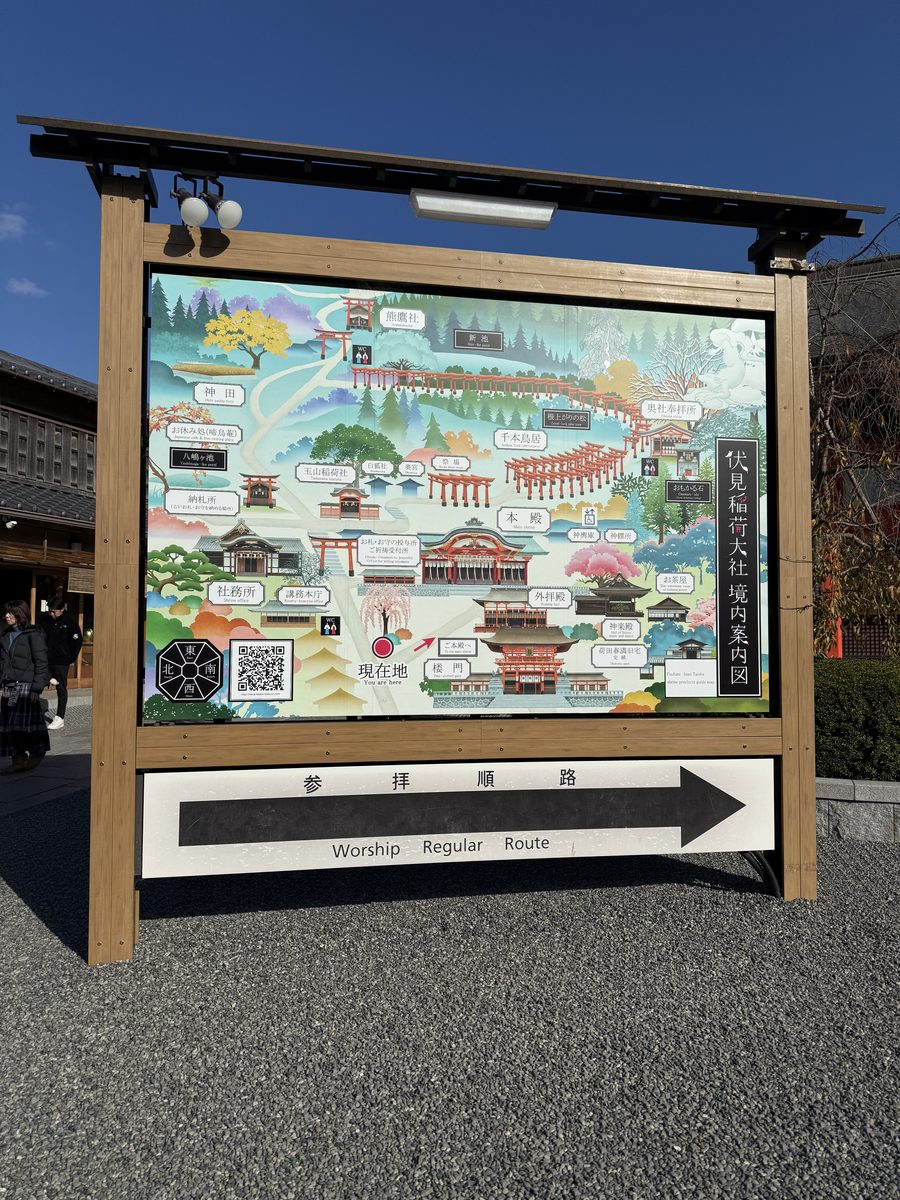
We took the local train to see Fushimi Inari. Both. Fushimi Inari and Bamboo grove are every close to each other and convenient to cover both together. Fushimi Inari Taisha is one of Kyoto’s most iconic sights, famous for its seemingly endless path of vibrant red torii gates that wind through a forested mountain. It home to over 10,000 torii gates (some estimates go as high as 32,000). These gates line the trails that lead up Mount Inari, donated by individuals and businesses over the centuries as offerings to the Shinto god Inari, the deity of rice, prosperity, and success. The iconic vermillion gates create a mesmerizing tunnel effect that makes it one of the most photographed—and spiritually significant—spots in Japan.
Arriving early in the morning offers a peaceful, almost spiritual experience as you walk beneath the gates with the sound of nature all around you.
Arashiyama Bamboo Grove, on the other hand, feels like stepping into another world. Towering bamboo stalks sway gently above the walking path, creating a dreamlike tunnel of green light and shadow. It’s a short but unforgettable walk, especially in the early hours when the grove is quiet and serene.
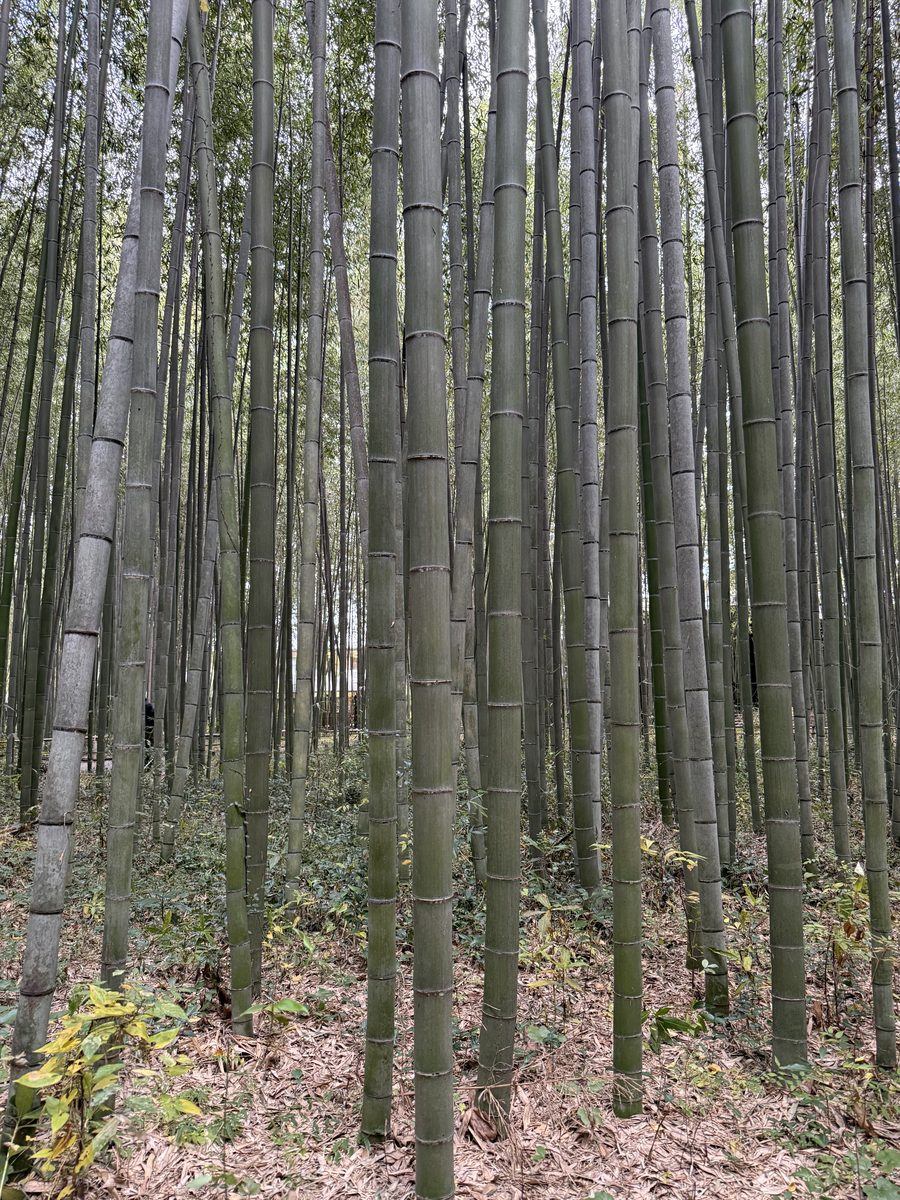
Because we visited in December, there were not too many people and the walk is short. Note: There are traditional rickshaw (cart taxi) services available for those who may have difficulty walking. They’re a convenient and surprisingly affordable option, offering a relaxing ride through the area while a knowledgeable local guide shares stories and insights along the way.
and then we went to Nishiki market in evening. Nishiki Market, affectionately known as “Kyoto’s Kitchen,” is a 400 meter, five block long shopping street in Downtown Kyoto. It has over 100 store selling fresh seafood, season products, lots of delicious snacks and also has small Bars and restaurants to enjoy street food and beer. We got good 2 hours here as the market closes at 6pm on most days. We really enjoyed the best prawns Tempura, Udon and Beer. and Wasabi Cashews were my top favorite.
Day 3 - Osaka
The name Osaka (大阪) literally means “large hill” or “big slope” in Japanese. This name reflects the city’s original geography, which included several hills and elevated areas.
Instead of staying overnight in Osaka, we opted for a day trip since it’s just a quick 30-minute train ride from Kyoto.
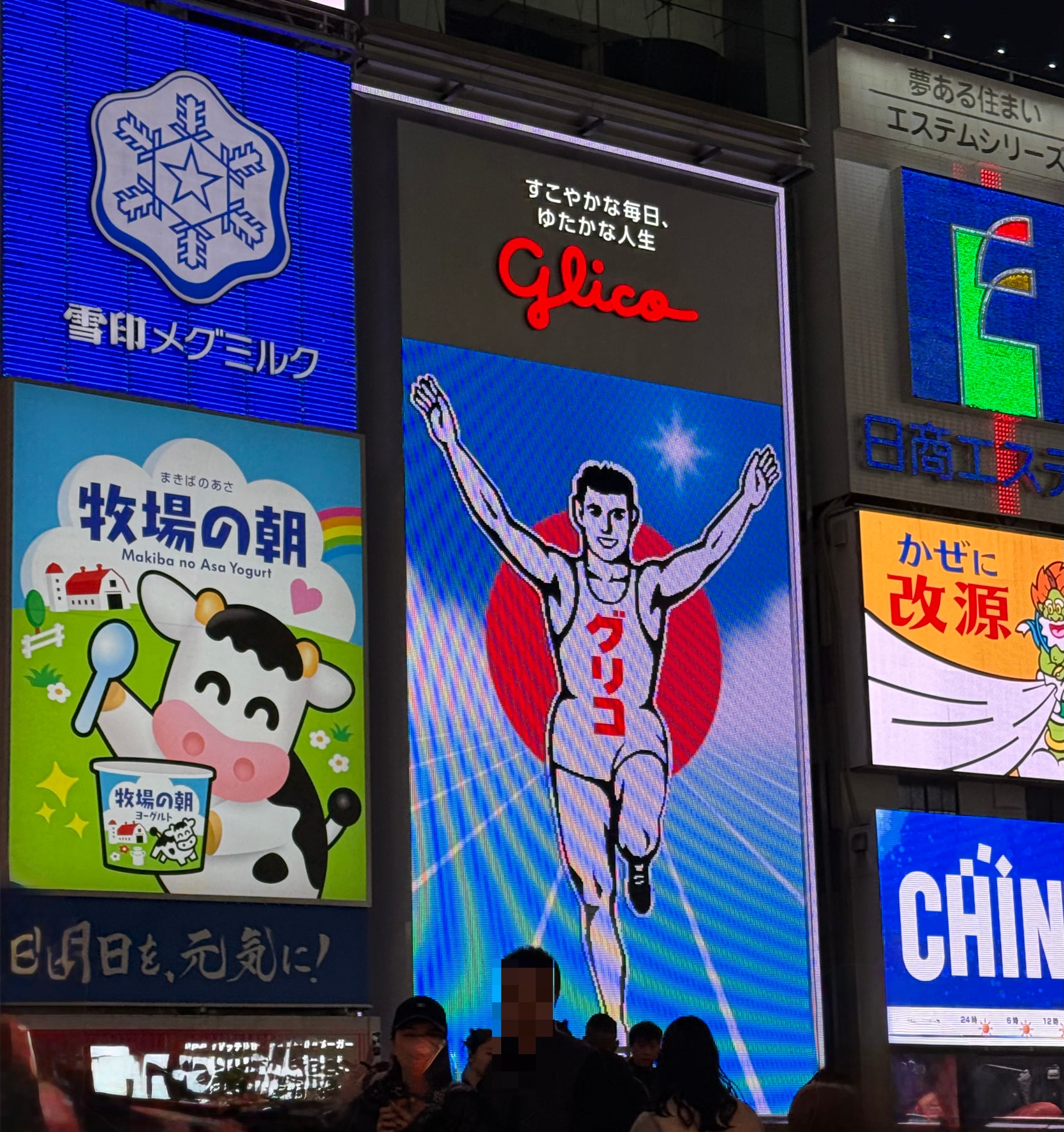
Osaka is Japan’s vibrant food and nightlife capital, known for its friendly locals, neon-lit streets, and energetic vibe. Whether you’re strolling through Dotonbori with its dazzling signs and street food stalls, exploring Osaka Castle’s rich history, or diving into the city’s famous dishes like takoyaki and okonomiyaki, there’s never a dull moment. It’s a city that blends modern fun with cultural depth—and always keeps you coming back for more.
There are many things to see in Osaka-Teamlabs, Umeda Sky Building, Universal studios, Shintenno-ji Temple, Kuromon market, Cup Noodle Museaum so you can easily spend 2 days here exploring all of Osaka however our goal was to cover 3 things - Osaka Castle, Kuromon Market and Dotonbori. It was easy and achievable in a few hours with Lunch and coffee breaks.
Osaka Castle
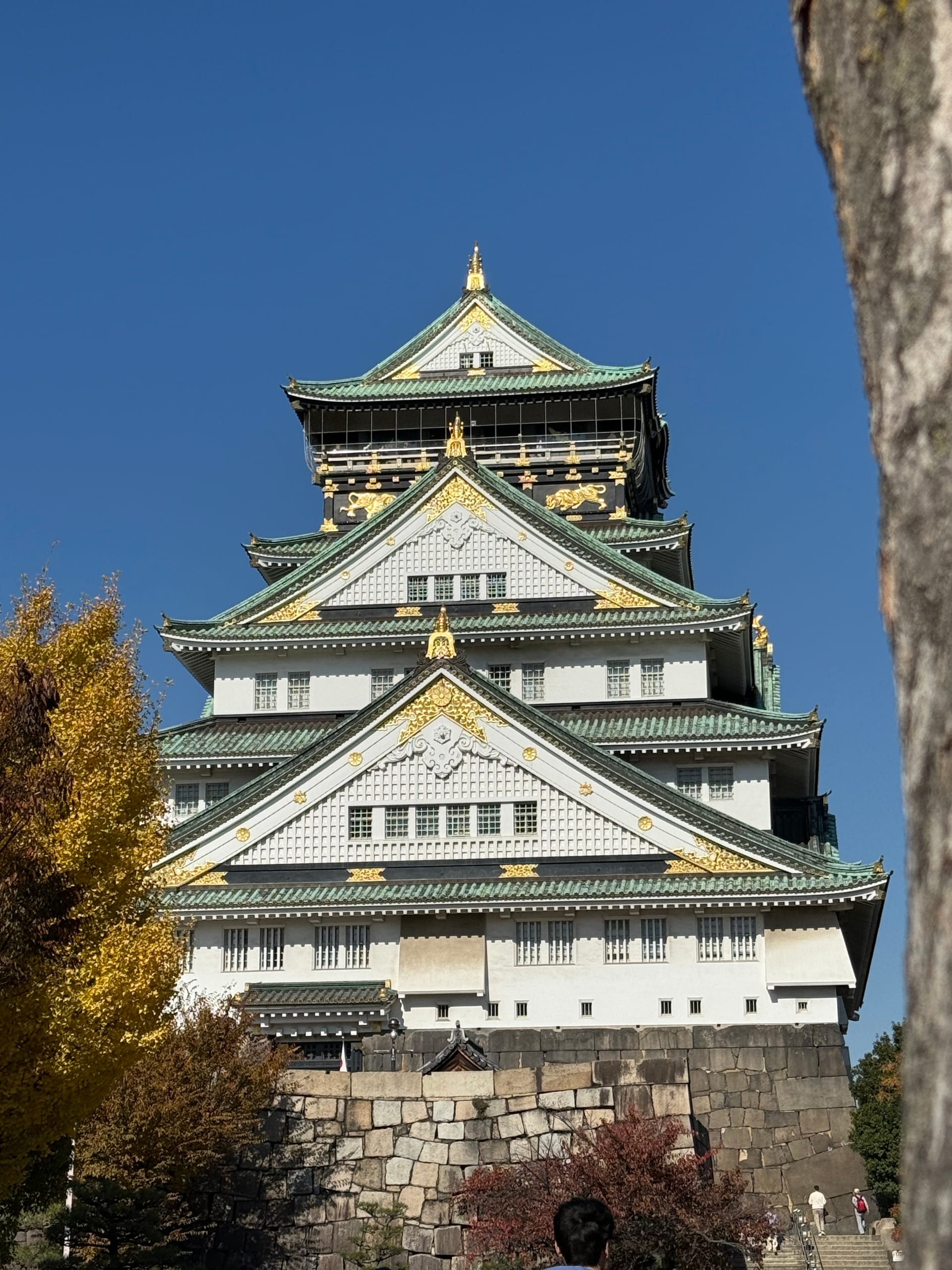
Pro tip here - You can purchase tickets to Osaka Castle online up to 24 hours in advance, and there’s a separate, much shorter line for those with online passes. However, same-day online tickets aren’t available, which we unfortunately learned the hard way—missing the window and waiting about 30 minutes in line to buy ours.
The castle itself is stunning, especially up close. While the exterior preserves its historic charm, the interior has been fully restored and now feels more like a museum, offering a fascinating walk through the history of Osaka and the castle’s legacy.
Osaka Castle isn’t just the main keep—it’s surrounded by beautiful parks, gardens, and smaller museums, all of which are included in your ticket. It’s a great place to walk around and take in both nature and history. If you want a deeper understanding of the castle’s past, you can also hire a local tour guide who will share fascinating stories and historical insights about the castle and its expansive grounds.
After the castle, we headed towards Kuromon Market. Dotonbori is a short walk from Kuromon market and easily walkable.
Both the Kuromon market and Dotonbori should be must visit in Osaka. Kuromon Market is a bustling food lover’s paradise in Osaka, where you can sample fresh seafood, street snacks, and local specialties from lively vendors in a lively, covered market setting. Just a short walk away, Dotonbori dazzles with its vibrant neon lights, iconic giant signs, and endless dining and entertainment options, making it the perfect spot to experience Osaka’s energetic nightlife and culinary culture.
We wrapped up our day trip to Osaka and headed back to our hotel, completely exhausted from the day’s adventures. Too tired to go out again, we decided to order in—pizza night it was, after hearing great reviews about Japanese-style pizza. Paired with a nice bottle of Japanese wine, it was the perfect way to relax before crashing into a deep, restful sleep.
Day 4 Hiroshima
I won’t write too much for this section, but I highly encourage you to visit Hiroshima. While the experience can be a bit sad, it’s also inspiring to see how the city has been rebuilt and transformed into a place of peace and hope.
Hiroshima is located further south in Japan, so traveling there from Kyoto makes more sense than from Tokyo—it’s about a 3-hour train ride. Once you arrive, a free shuttle service takes you around the key sites related to the atomic bombing, including the exact spot where the bomb first hit, Peace Park, and several museums. You can hop off at any site to explore and then catch the shuttle again to either return to the train station or visit other locations. We visited Peace Park and the main impact site, and it was an incredibly heartbreaking experience.
Be the first to share a thought.