Vietnam
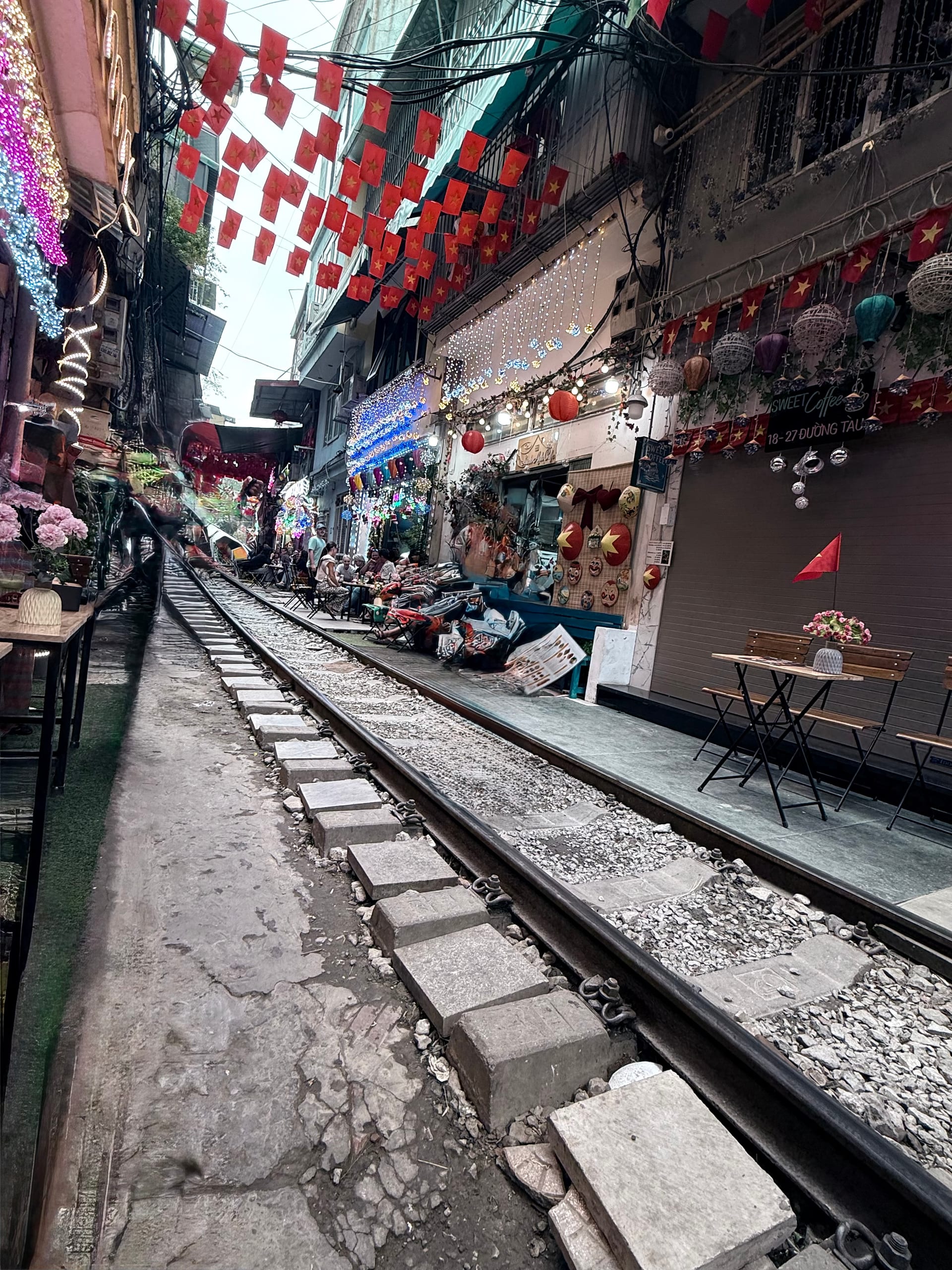
When I think of Vietnam, the first place that comes to mind is Hanoi—a city with over a thousand years of history. And no, it’s not the famous Train Street or egg coffee that I picture first. I think of its aging buildings, rich past, lively people, sizzling street food, and vibrant colors.
Of course, a visit to Hanoi isn’t complete without enjoying a beer by Train Street or spending time in its cozy cafés. But beyond that, I’d recommend exploring the city on foot—you’ll discover so much more in its streets than you might expect.
My husband and I visited Vietnam in January 2025. We spent a long time debating whether to focus on the south or the north, but ultimately decided to explore highlights from both regions and cover the top cities across the country. We covered - Ho Chi Minh City, Hanoi, Sapa, Ha Long Bay and Phu Quoc. Here is the breakdown of the days:
- Hanoi - 3 Days
- Sapa - 2 Days
- Ha Long Bay - Day Trip (From Hanoi)
- Phu Quoc - 2 Days
- Ho Chi Minh City - 3 Days
Vietnam is actually quite large, and traveling between major cities often requires either a flight or long hours on the road. For example, we took a limousine service from Hanoi to Sapa, which took about six hours one way. So be prepared and comfortable with long journeys or internal flights.
Pre-Landing
We’d seen some pretty alarming videos of long queues at Ho Chi Minh City airport—and they’re not exaggerated. The best way to avoid the crowds is to book a skip-the-line immigration service through Klook. They offer several options at reasonable prices.
My husband and I paid $70 for a VIP package for two (one-way), which included help with luggage and escorting us out of the airport. I highly recommend it, especially if you have a US passport. Travelers from countries with visa agreements with Vietnam may experience faster processing.
Hanoi
We took a local flight from Siem Reap (Cambodia) to Hanoi. Our first local flight was via Vietnam Airlines, we had a comfortable 1.5 hours short flight and we were out with our luggage without any major issues.
If you are staying in Hanoi for only a few days like us or if it’s your first time, I suggest Old Quarters area to stay in. This is the heart of Hanoi. It’s vibrant, chaotic and full of life. It is extremely walkable and perfect if you want street food, nightlife, and attractions at your doorstep.
The other considerations are as follows:
- French Quarter - Best for luxury and calm, spacious, and less chaotic than Old Quarter.
- Ba Dinh OR Hai Ba Trung - both these areas are great for peaceful, longer stays, offer good cafes, less touristy and more local feel.
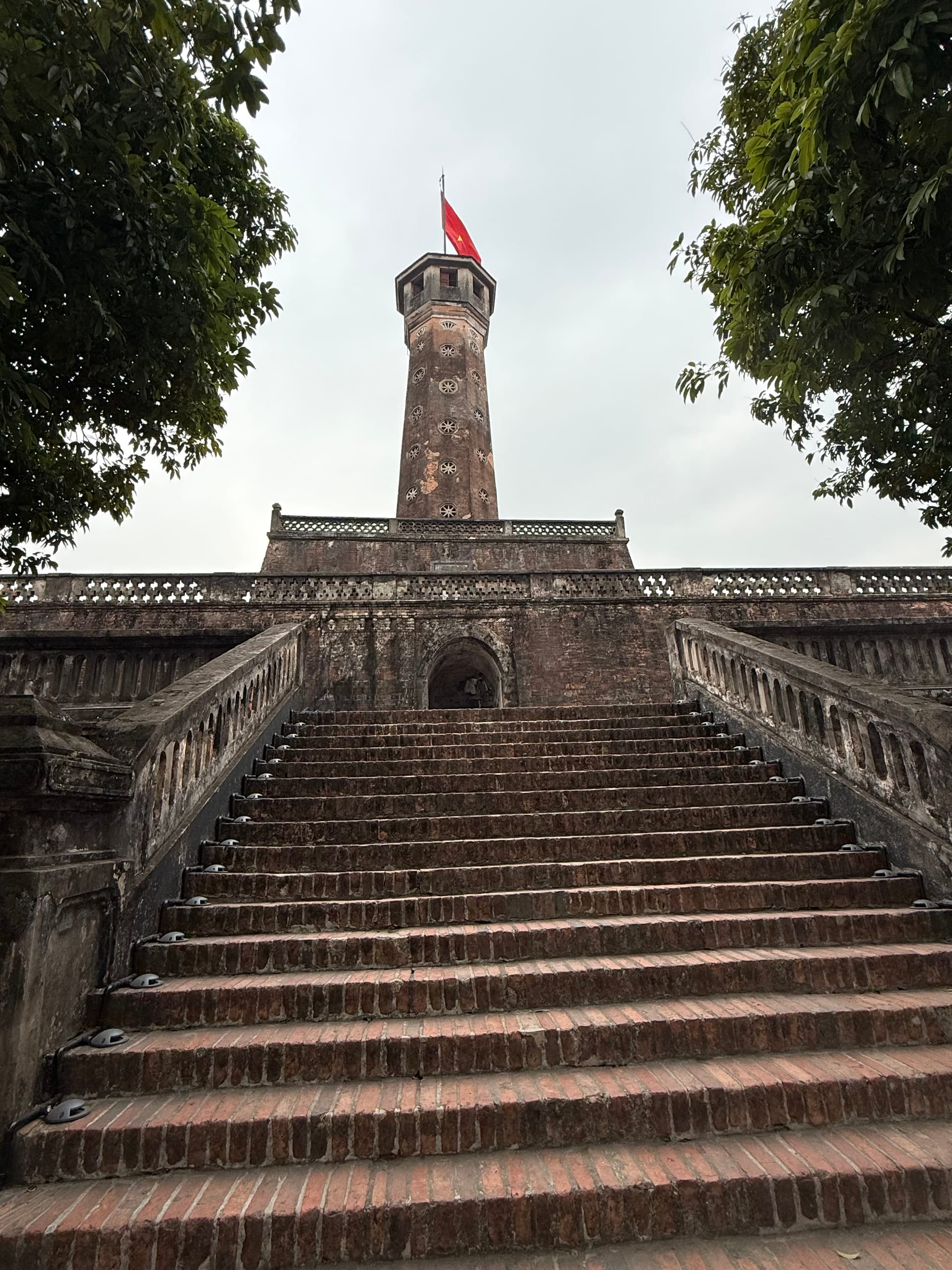
Our main goal here was to enjoy the old city and unwind. That being our main goal, we did want to cover a few places - Old Train Street, Temple of Literature, imperial citadel and Hoan Kiem Lake. We decided to stay in Old quarters and were within short drive to many sightseeing areas. If you are short on time, plan for at least 3 days, anything less than that and you will feel the crunch.
Sapa
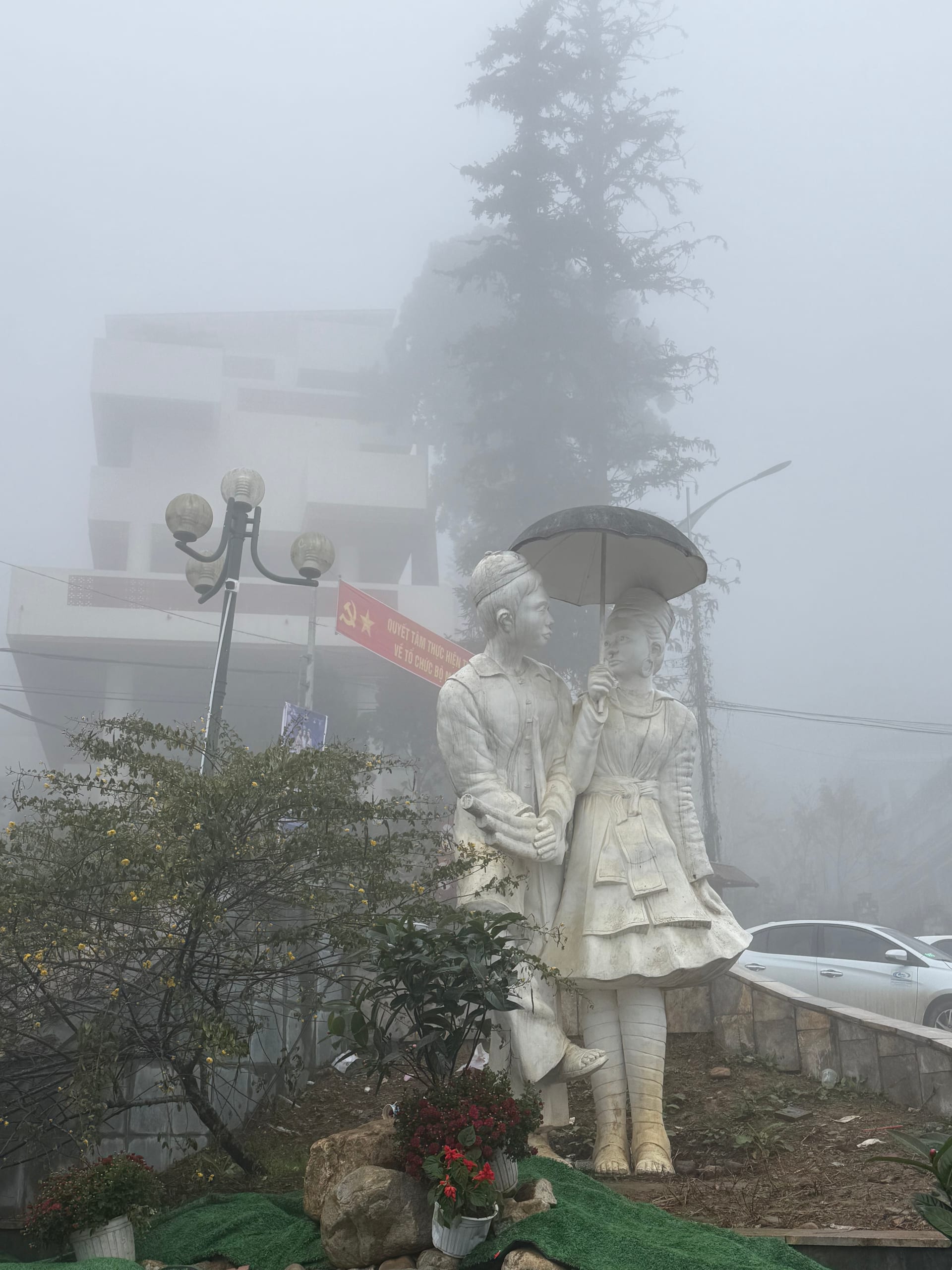
Sa Pa (often spelled Sapa) is a scenic mountain town in northern Vietnam, famous for its terraced rice fields, cool climate, and ethnic diversity. The region is home to several ethnic groups, including the Hmong, and is well known for its trekking routes and immersive cultural experiences.
Transportation
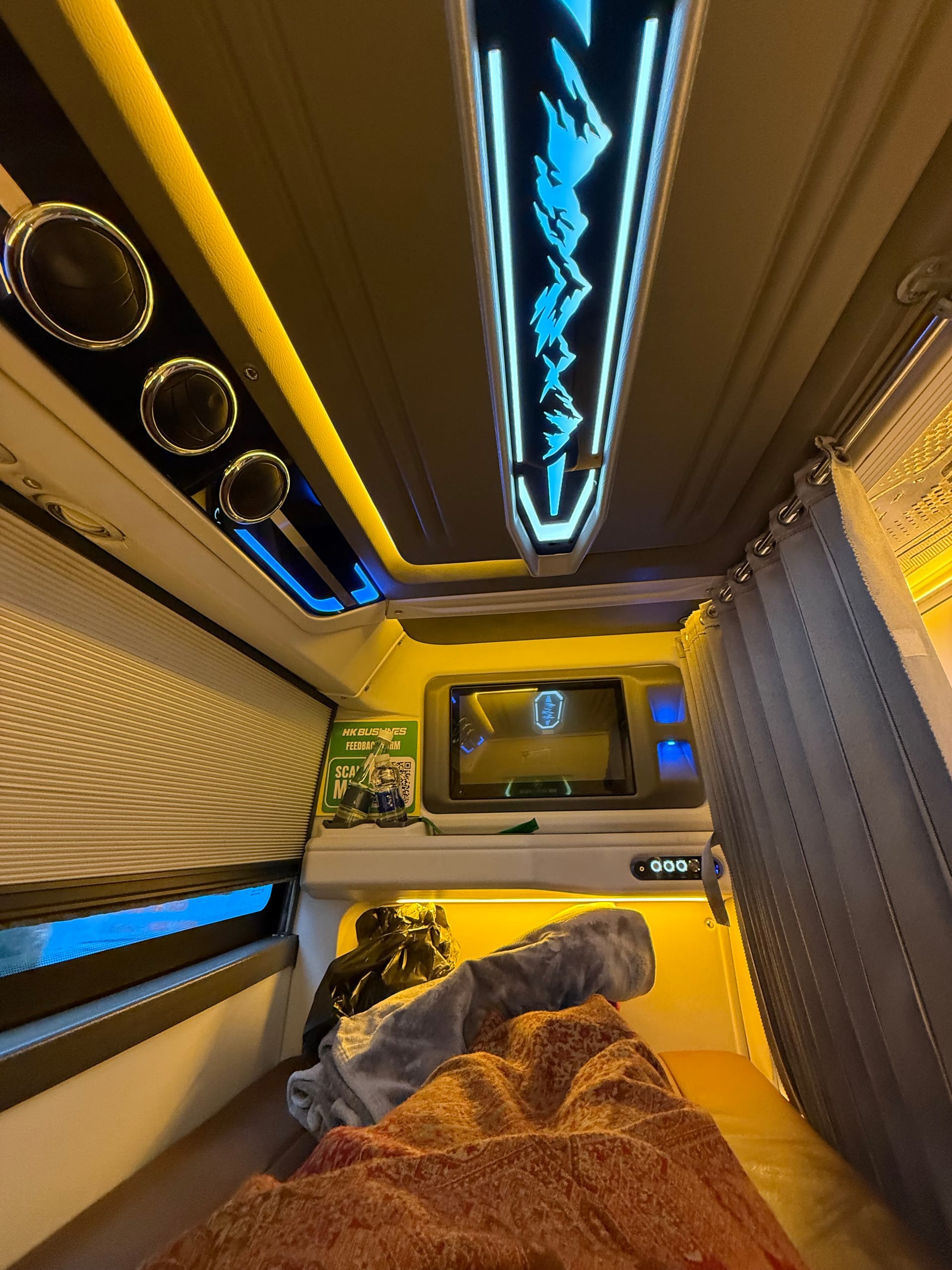
The best way to get to Sapa from Hanoi is by road—it’s about a six-hour journey (one-way). You can book a VIP bus or limousine transfer, which are very comfortable. Most drivers make a couple of short stops along the way for coffee and bathroom breaks.
However, we didn’t visit Sapa at the ideal time to see the rice paddies at their best—the clearest views are usually from late July to early September, when the fields are lush and the weather is beautiful during harvest season. Even so, I completely fell in love with Sapa. The rich culture and incredibly warm people made us feel truly welcome.
There are many things to do in Sapa and some of the must do’s are:
- Fansipan - Known as the “Roof of Indochina” (3,143m) and is reachable via a record-holding cable care offering breahttaking views of the Hoang Lien Son Mountain ranges.
- Muong Hoa Valley - Famous for its stunning, terraced rice paddies and the best destination for trekking, offering views of the valley and local life.
- O Quy Ho Heaven Gate (Pass) - One of the region’s best viewpoints located on a mountain pass offering vast, scenic, and misty panoramic views.
- Sapa Market and Town Center - If there are evenings you dont feel like doing much, I would suggest exploring the colorful night market and visiting the central Sapa Lake and Stone church.
- Local Villages like Cat Cat and Tan Tan - Both are exceptionally beautiful for trekking and expericing local life.
- Moana Cafe - It’s definitely a tourist trap—but honestly, it’s still a lot of fun. I’d recommend doing it once, just to check it off your list.
- Now for the most important Must do - Explore local cafes and don’t worry about checking things off the list. Sip some Coffee and experience the local culture.
I would also highly recommend to enjoy the local Hmong cuisine - Purple sticky rice, a Fish soup made with pineapple broth this was soo delicious and I could not stop eating. I would also encourage you to explore shops that seel Hmong handicrafts. I bought 2 cushion covers which were slightly expensive but are really beautiful and are hand made by local woman.
Ha Long Bay
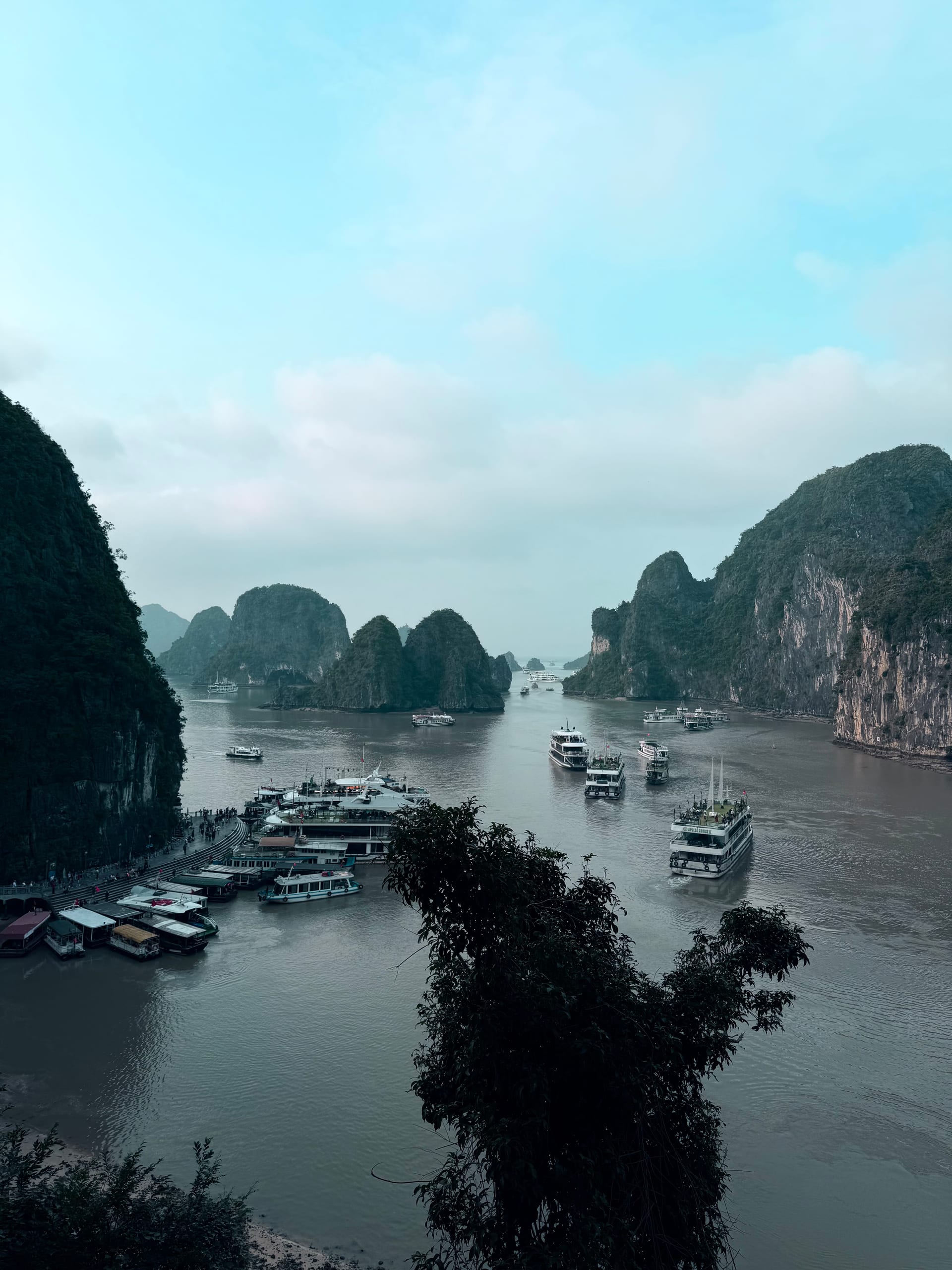
Ha Long means “Descending Dragon”. According to Vietnamese legend, dragons were sent by the gods to protect the land from invaders. They spat out jewels that turned into the limestone islands, forming a natural barrier.
And Science says, The bay’s dramatic limestone karsts formed over 500 million years through geological processes involving rising seas and erosion. Archaeological evidence shows humans lived here as far back as 18,000 years ago, with ancient cultures like the Soi Nhụ and Hạ Long cultures relying on fishing and coastal resources.
Believe the version you like, and I think it’s worth to do this once. We tossed around the idea of cruising the bay, but ultimately decided on a day trip. Fair warning — there’s a lot of misinformation online about how close Ha Long Bay is to Hanoi. The drive is actually about 1.5–2 hours each way, with a 20-minute rest stop along the way. We booked a day trip from Klook which included round trip transportation from Hanoi to Ha Long Bay and cruise with lunch. The trip also included a short hike up and walk to the famous Sung Sot caves which are the largest in Ha Long Bay.
Keep full day for this experience, you leave around 6:30am and return around 8pm at night.
Phu Quoc
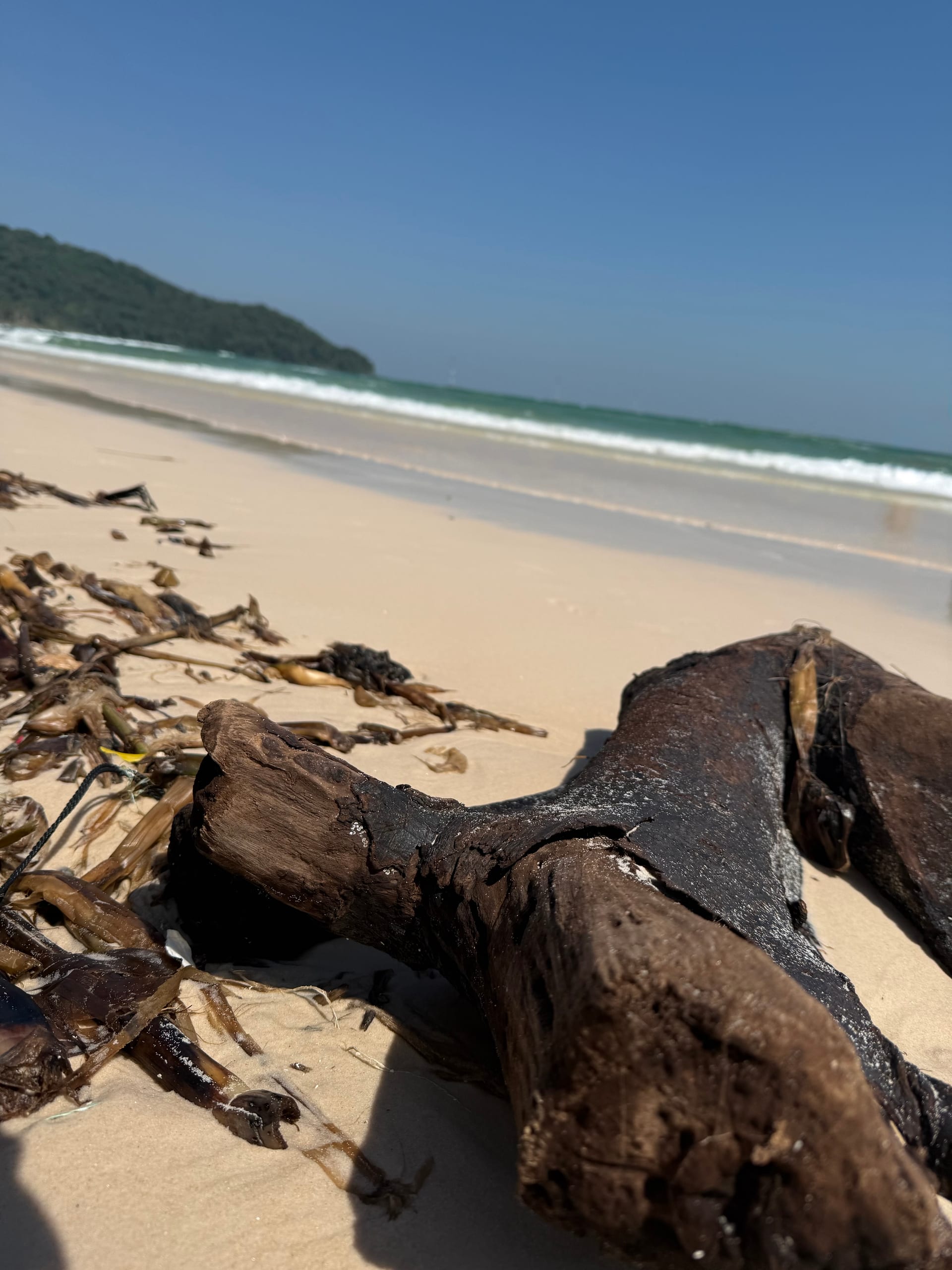
The Pearl Island, a short flight from Sapa, and from foggy-land, we landed in warm serene Beachy-land. It was once a quiet, forested island long inhabited by fishing communities who lived off the rich waters of the Gulf of Thailand.
After the war, Phu Quoc gradually returned to its peaceful roots. Known for its fish sauce production and pepper farms, it remained relatively untouched for decades. In recent years, however, the island has transformed into a popular tropical destination, and it attracts visitors with its white-sand beaches, coral reefs, and lush national parks.
People who visited the islands before tourism took off often described them as the most serene place they had ever seen. Today, as visitor numbers grow, new challenges have emerged, and many travelers are calling on the government to take stronger steps to protect the islands.
That being said, we did spend a few peaceful days and here is what we did:
- The island is large, decide whether you want your accommodation to be in the Southern or northern areas.
- Go north for peace, nature, and fewer crowds 🌿
- Go south for activities, beaches, and entertainment 🌊
- The Star beach though very popular was not on our list of places to visit. We have been hearing concerning stories of how guides to lure more tourists, are keeping dead starfish on the beach, allowing tourist to hold and touch the fish for photos and videos. Starfish are extremely sensitive to human touch. Touching a sea star doesn’t always kill it instantly, but repeated handling—especially by many visitors—can lead to injury or death. Please DON’T take them out of water for your photos and videos.
- We did visit the south area for their night market which was an amazing experience. You can buy tickets to see fireworks, kiss bridge and other fun experiences. But for us strolling around Night market and enjoying grilled Scallops were the best way to enjoy the local life.
Fun Fact: Phu Quoc has been designated as a special tourism and economic zone due to which no VISA is required to enter Phu Quoc for a short-stay/tourism purpose. You must:
- Arrive directly on an international flight (or via an approved transit route)
- Stay only on Phu Quoc Island (not traveling onward into mainland Vietnam)
- Have a valid passport with sufficient validity.
Ho Chi Minh City
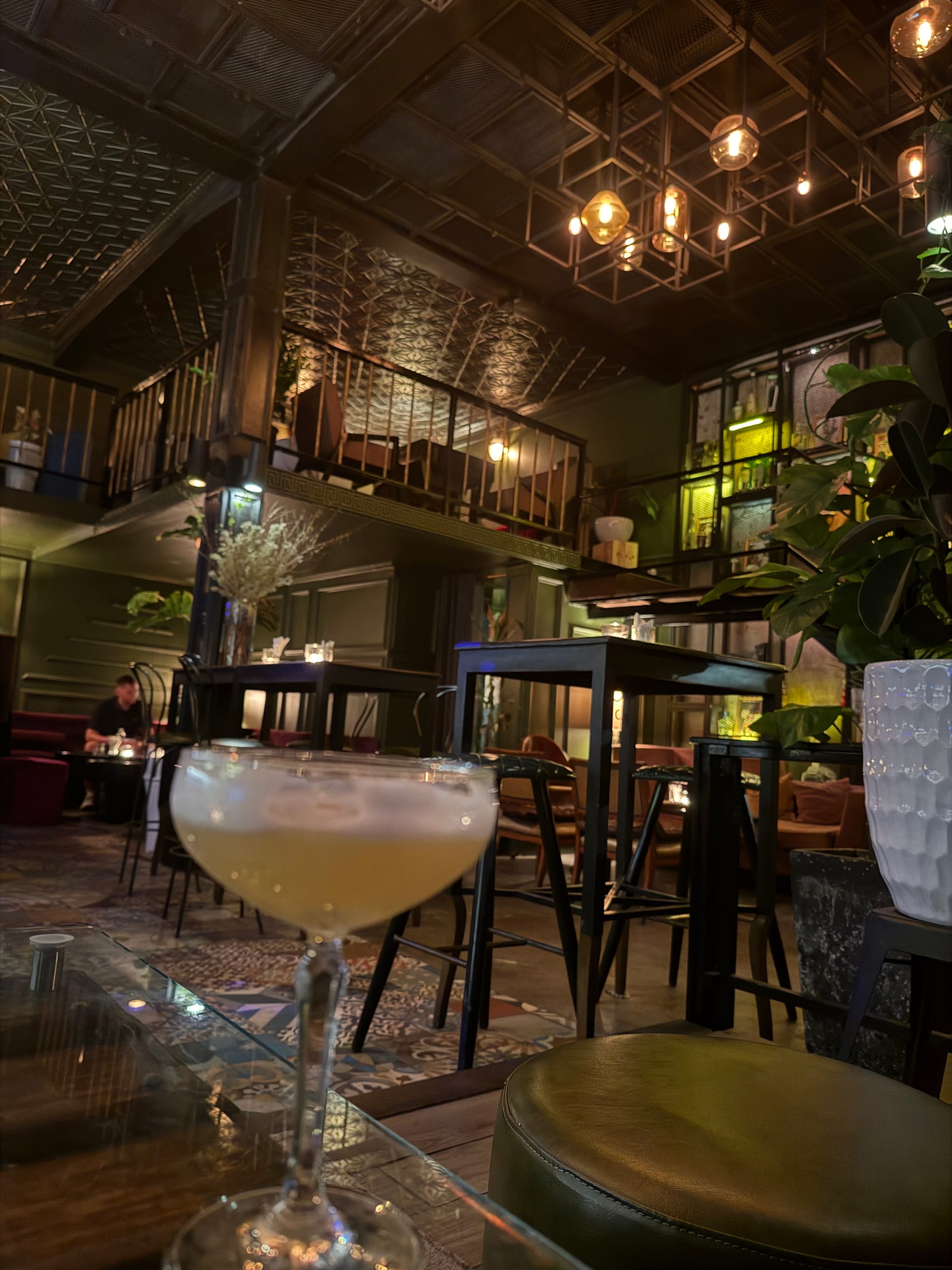
Officially our last stop before we go back to California. Our goal was - Enjoy delicious Coffee, Shop till you drop. Ho Chi Minh has amazing local boutiques and I highly recomend shopping for clothes/apparel. Here is how we spent the last 3 days in Ho Chi Minh City:
- Massage - a must
- Cooking Class - where I learnt how to make the traditional Pho, Bo La Lot (marinated minced beef, mixed with pork, wrapped in beetle leaves and grilled over charcoal grill), a delicious dessert drink.
- Shopping at - Ben Thanh Market, Bad Habit Studios, Saigon Center and dont skip the local boutiques in French quarters.
- Visited famous Cafes and Bars, I will make a seperate post about the top spots as it deserves more details :).
There is so much to do in Vietnam and there is something for everybody. That being said, Vietnam requires planning as its not a small place and requires a bit organization if you plan to hop between cities. Enjoy!
Be the first to share a thought.